Monday, January 19, 2015

"Just Babies: The Origins of Good and Evil" by Paul Bloom

Young children are highly aggressive; indeed, if you measure the rate of physical violence through the life span, it peaks at about the age of two. Families survive the Terrible Twos because toddlers aren't strong enough to kill them with their hands and aren't capable of using lethal weapons. A two-year-old with the physical capacities of an adult would be terrifying.
Some parents aren't so lucky as to have a two-year-old who is incapable of using a lethal weapon. But freak accidents aside, this sentiment is worth reflecting on. Young children are, after all, merely doing whatever it occurs to them to do. Their brains have simply yet to develop the inhibitory capacities that characterize human adulthood. Unfortunately for new parents, the types of behaviour that occurs to toddlers isn't always pretty or nice. The good news is that they're too tiny to do any real damage, except for maybe the odd bite or two.

Admonishing a young child for lacking in impulse control is misguided. It's not that's toddlers haven't learned right from wrong yet, that will come with time. The problem is with self-regulation. The mental machinery to resist "bad" behaviour isn't there yet. Parents should keep this in mind when dealing with youngsters. We should be no more upset with a child for failing to resist an impulse to hit or bite than with a toddler who cannot do calculus.

Parents: Be patient. Understand that part of normal brain development involves a greater ability to regulate behaviour and to consider the consequences of actions. Allow time for kids to grow into their brains. Remind yourself that humans are "born of risen apes, not fallen angels." Be mindful that we are evolved creatures and much enlightenment will follow.

Also, get your kids vaccinated you goofballs.

Saturday, December 13, 2014

The Best Of The Best Albums Of 2014

Best Of list season is upon us once again. Rejoice! This year, the top albums section is a little larger than usual. In the past I've tried to keep it to 10 selections, but I'd rather not subject myself to the painful mental calculation that is having to make a cut.

So after taking a quick look at my Best Of 2014 playlist on my computer (these are the notable albums that graduate from my general 2014 playlist), I've chosen the records that I've found myself coming back to more often than others. This is how I arrive at what is 'best.' In a further deviation, I will not be ranking the albums in any sort of preferential order. Instead, I'll order them by release date. This will save me from even more cognitive distress.

Click the images to be spirited away to YouTube...

* * *

The Best Of The Best Albums Of 2014


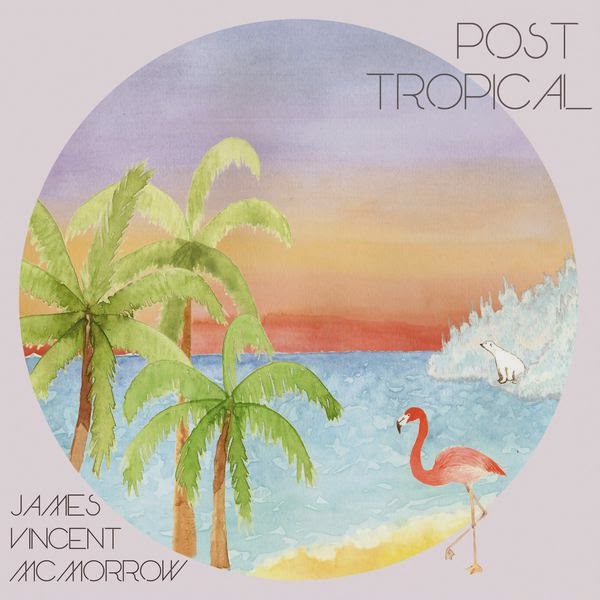
James Vincent McMorrow - "Post Tropical"

http://youtu.be/j0DvjgagJko


The Hotelier - "Home, Like Noplace Is There"

http://youtu.be/PHsBgcwOw6Y?list=PL7gYUOs7CszAbu5TIyb_sNR6GWTHRHxdb


The War On Drugs - "Lost In The Dream"

http://youtu.be/1LmX5c7HoUw


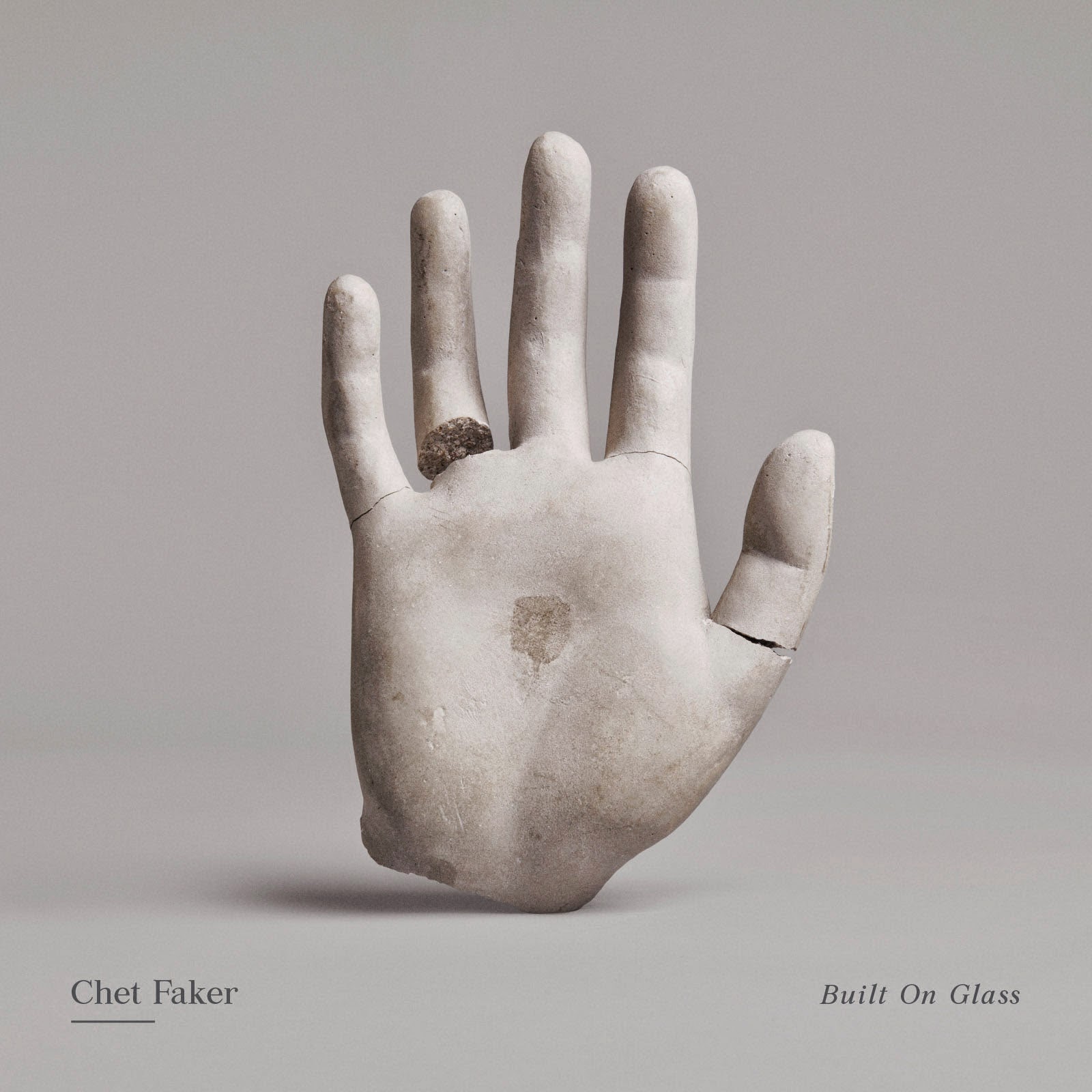
Chet Faker - "Built On Glass"

http://youtu.be/aP_-P_BS6KY


Kishi Bashi - "Lighght"

http://youtu.be/0ZutRhiFmHM


Lewis - "L'Amour"*

http://youtu.be/SG4FemqT-7I


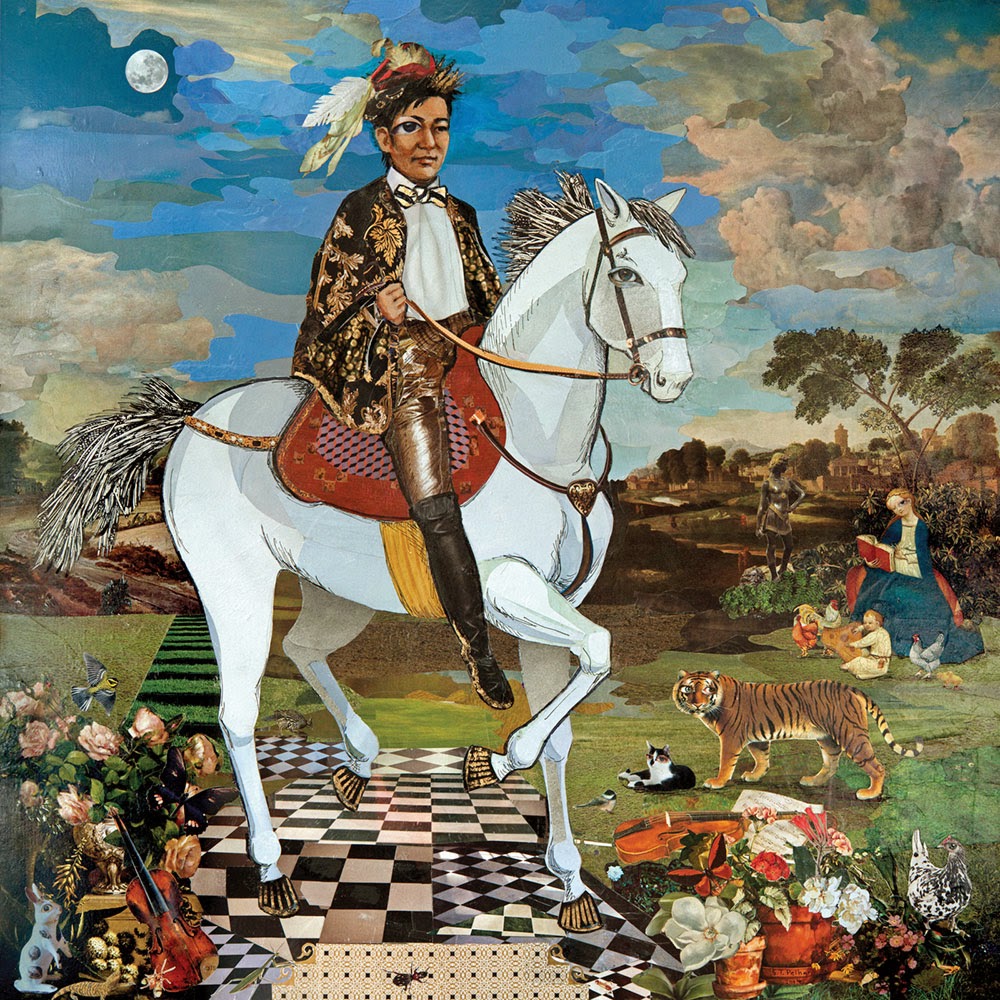
Owen Pallett - "In Conflict"

http://youtu.be/gt8wR8CagQo


The Antlers - "Familiars"

http://youtu.be/E9afJSKCOQQ


FKA Twigs - "LP1"

http://youtu.be/3yDP9MKVhZc


QT - "Hey QT"

http://youtu.be/z6_ikWlJu_0


Tennis - "Ritual In Repeat"

http://youtu.be/JBhtE3qB35o


alt-J (∆) - "This Is All Yours"

http://youtu.be/-mhgfXgwdls


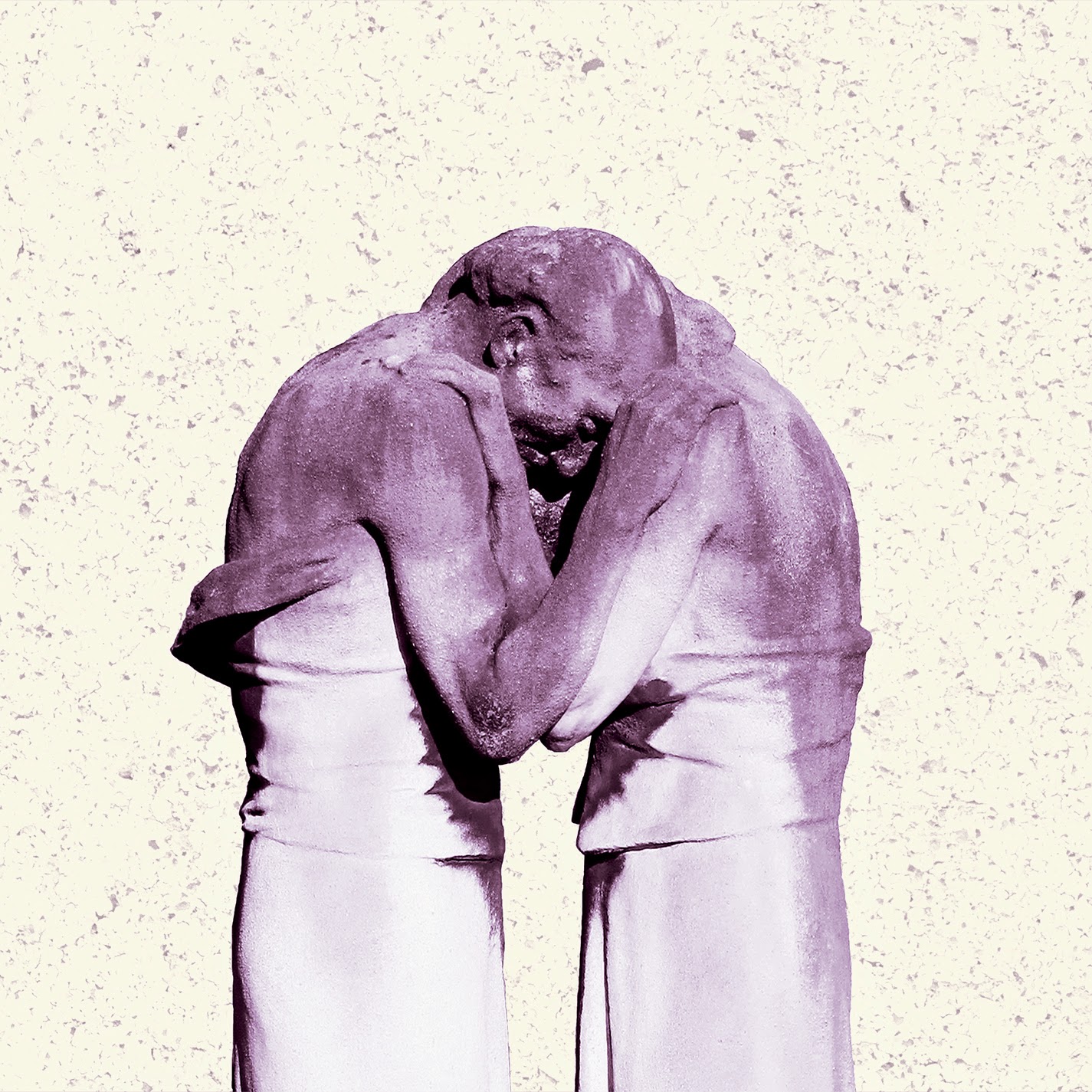
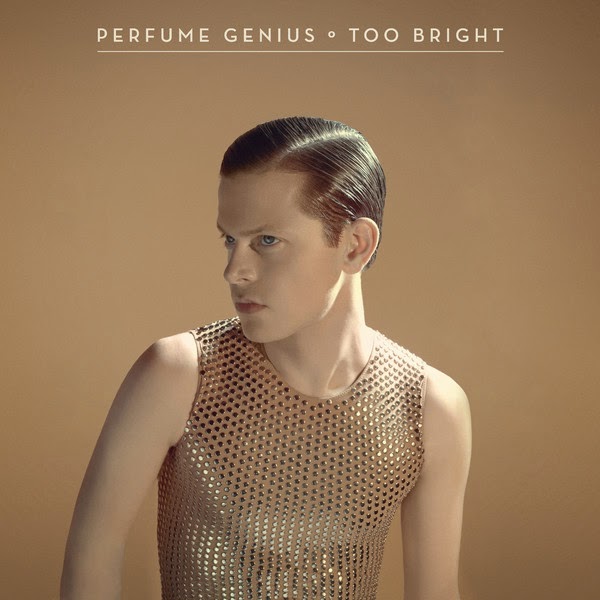
Perfume Genius - "Too Bright"

http://youtu.be/Z7OSSUwPVM4


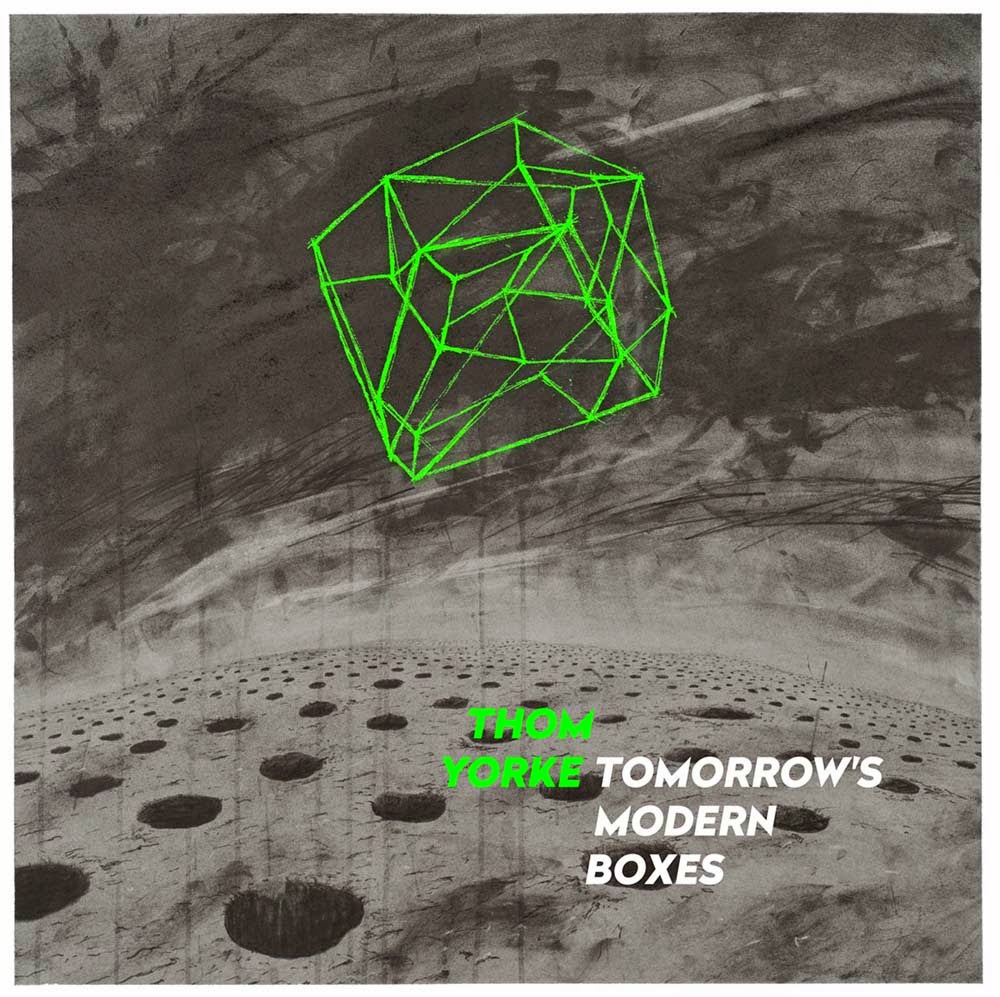
Thom Yorke - "Tomorrow's Modern Boxes" / "Youwouldn'tlikemewhenI'mangry"

http://vimeo.com/107278326


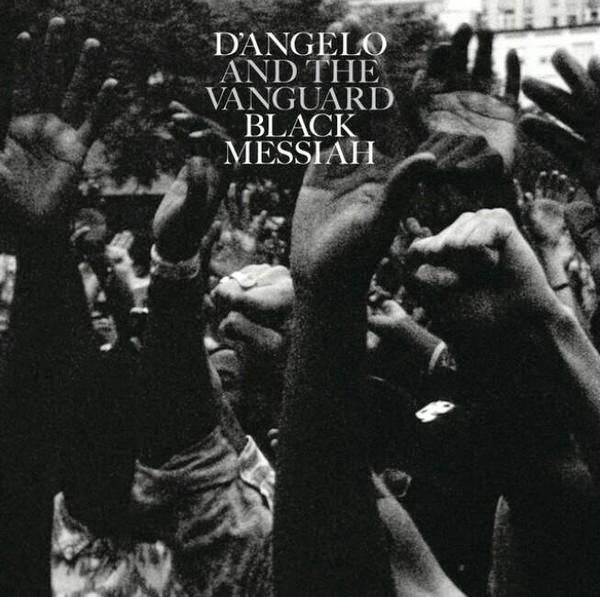
D'Angelo and The Vanguard - "Black Messiah"

http://youtu.be/mVsQwJfWzoI


* * *

Honourable Mentions

 Thee Silver Mt. Zion Memorial Orchestra - "Fuck Off Get Free We Pour Light On Everything"
Phantogram - "Voices"
Beck - "Morning Phase"
Cloud Nothings - "Here And Nowhere Else"
Real Estate - "Atlas"
You Blew It! - "Keep Doing What You're Doing"
Doug Paisley - "Strong Feelings"
Jamie xx - "Girl / Sleep Sound"
Ought - "More Than Any Other Day"
Damien Jurado - "Brothers and Sisters of the Eternal Son"
First Aid Kit - "Stay Gold" / "America"
Jack White - "Lazaretto"
Tycho - "Awake"
Lost In The Trees - "Past Life"
El Ten Eleven - "For Emily"
Cocoanut Groove - "How To Build A Maze"
Aphex Twin - "Syro"
Manchester Orchestra - "Cope" / "Hope"
Pink Floyd - "The Endless River"
Jessie Ware - "Tough Love"
Caribou - "Our Love"
Hannah Diamond - "Every Night"


___
* This is a 2014 reissue from Light In The Attic records. You can read more about Lewis here.
† It's a single, not an album. So what?
‡ The single "Youwouldn'tlikemewhenI'mangry" was released December 26, two months after the full length was released. It's a darn good track, and you can name your price and download it here. Since I paid about $50 for "Tomorrow's Modern Boxes" on vinyl, I opted to name a price of $0 to download this terrific single.

Wednesday, December 10, 2014

Stieg Larsson's Millennium Series


I don't often read novels, but when I do it's usually the ones that the movies I like are based on. I consume my fiction mainly through movies and television shows, and this applies perfectly to the Millennium series. I'm just not as into fiction books as these two:


The original Swedish film adaptations found their way on my To Watch list in 2009, and I thought they were terrific. When it was announced that David Fincher would direct the English adaptation, I was rightly stoked. Fincher is easily one of my favourite directors. It wasn't until after The Girl With The Dragon Tattoo (2011) was released that I finally picked up the novels. They've been sitting on my shelf ever since.

For whatever reason, I've chosen to start reading the series this week. I'm just about through with the first novel in the series, The Girl With The Dragon Tattoo. The original Swedish title is Män som hatar kvinnor, which literally means "Men Who Hate Women." I think that's a way cooler title, but I guess it's a little less inviting than what it was ultimately changed to for the English market.

It's been a while since I've read any novels (the last was Cormac McCarthy's Child of God a few months ago), so I guess the time was right to take a break from my steady diet of non-fiction. Other novel-reading-after-movie selections include David Mitchell's Cloud Atlas, John Ajvide Lindqvist's Let The Right One In, and Christopher Priest's The Prestige. I got the jump on Paul Thomas Anderson's upcoming film adaption of Thomas Pynchon's Inherent Vice and read that one a year or so ago. 

Off the top of my head, one of the only non-film-adapted novels I've read somewhat recently is The Sisters Brothers by Patrick deWitt. It's a great little novel, and last I checked it was optioned by John C. Reilly for the film adaptation. There's also Pynchon's Bleeding Edge and Lindqvist's Handling The Undead. And there was Susanna Clarke's Jonathan Strange & Mr. Norrell, which I read long before there was even news of a screen adaptation. (See also: The Ladies of Grace Adieu and Other Stories.) I've been following the non-existent progress on that one for years until it was finally produced as a television series which is set to air next year. I'm super excited about that one.

There aren't many other novels on my radar, except for maybe David Mitchell's The Bone Clocks. Non-fiction is really my thing these days, and has been ever since I devoured so much Michael Crichton and Stephen King in my early teen years. Tolkien came a little later. But dang if I ain't lucky I grew up in the days before Harry Potter and all these other "YA" blockbuster series. Yeesh. I will never understand why adults read YA stuff, either. They should be embarrassed. But I suppose it's better than reading nothing at all...

Friday, November 21, 2014

It's Hard Out Here For A Frontierswoman: "The Homesman" (2014)

A little uneven, but director Tommy Lee Jones manages to creates some engaging and unsettling moments. The cast was terrific, though I found Swank to be a little too wooden. It's a shame Steinfeld wasn't old enough to play Cuddy.

Given that they're the entire impetus behind the film's plot, there is precious little exploration of the "insane" women outside of a few grim flashbacks. While those scenes are successful, we lose all three characters just as they're introduced. That's an opportunity wasted right there. Outside of 'the frontier is hard' and 'men are scoundrels,' the film doesn't really say a whole lot about them or their experience. Though I suppose that there's any focus on women at all (specifically Swank's character) is something of a coup. Mick LaSalle writes:
The phrase “feminist Western” has been thrown around with regard to the film. Better to say “The Homesman,” based on a 1988 novel by Glendon Swarthout, is concerned with the struggles of women in the West. Just imagine living in a world in which every man is filthy, half drunk and brutalized by hard living, where even the biggest idiot considers himself superior to every woman he sees. Just imagine being a woman in that world. Now imagine living in that world alone.
Overall, it's a decent film that struggles to find the right tone and balance. I feel like this was a mediocre film that could have been a good one. Now I just want to watch True Grit (2010) again for, like, the eight time.


O! The Varieties Of Compatibilism


I enjoyed Gazzaniga's book and would recommend it, but I, like Jerry Coyne, was unmoved by his compatibilist hedgings. Naive 'free will' is one of those old ideas that we made up and began to take for granted, and now we have to all sorts of heavy lifting to undo it. For me, it is far more parsimonious to accept that in light of a deterministic universe, libertarian notions of 'choice' (or any type of free will based on dualist ideas) are incompatible with our understanding of the nature of reality.

I could be wrong, of course, but whenever I see free will being redefined it strikes me as an attempt to hold on to some old idea for no other reason than that it was here FIRST! In this way, it is very much like what Sophisticated Theologians do when they distance themselves from what their revealed holy texts actually say and move toward some new definition of faith or god(s) that can coexist with a modern understanding of the world. The average believer seldom grapples with these heavy intellectual problems and are content to have their immature and unsophisticated view of their faith go unchallenged.

This constant revision should be a clue as to how desperate some are to cling to old ideas in light of new information. At some point, it may be useful to throw it all out and start working from scratch on new explanations rather than trying to square leftovers from more ignorant times with our newfangled enlightened ones.

It has gotten to the point where one must try very hard to see 'freedom' where it probably doesn't exist. And when our intuitive impression of what it means to be a free agent doesn't comport with reality, why not just change or reimagine the definition of said freedom or agency? It all smacks of wishful thinking and moving goal posts. This, again, is very reminiscent of how people work to reduce dissonance with respect to holding onto certain idiosyncratic religious beliefs in the face of contrary evidence. Why can't we just shake it off and start constructing arguments from the ground up instead of building on top of what are almost certainly unsound intellectual foundations?

In case my ramblings were unclear, it may serve to quote Coyne at length here:
One of the most obvious resemblances of theology to compatibilism is the continual redefinition of “free will” so that (like God) it’s always preserved despite scientific advances. When Libet and Soon et al. showed that they could predict a person’s behavior several seconds in advance of that person’s conscious decision, the compatibilists rushed to save their definition, declaring that these experiments are completely irrelevant to the notion of free will. They’re not. For if free will means anything, it means that our choices are coincident with our consciousness of making them (to libertarians, our consciousness makes those choices, and we could have chosen otherwise). There is no scientific experiment, no finding from neuroscience, that will make the compatibilists give up their efforts, for they will simply continue to redefine free will in a way that humans will always have it. That resistance to evidence is another way compatibilism resembles Sophisticated Theology.™

Monday, November 3, 2014

In Which I Make Some Unnecessarily Snarky Comments About Richard Linklater's "Boyhood" (2014)


And now, some unnecessarily snarky comments about Richard Linklater's "Boyhood" (2014):
  1. Grown-ups are the worst.
  2. This movie is Liberal propaganda.
  3. RICHARD LINKLATER STOLE MY TASTE IN MUSIC.
  4. "You don't understand us!"
  5. The Mom has the worst taste in men.
  6. Director films movie intermittently over 11 year period. You won't believe what happens next!
  7. They couldn't find any better child actors in Texas?
  8. Movies grow up so fast. Where does the time go!?
  9. You guys. Life is hard, you guys.
  10. I've been saying stuff like "It's always now" since, like, 2006.
No, but seriously, following the story of a child growing up over a decade+ is a great idea for a movie. The problem is you still actually have to make the dang movie.


Wednesday, October 29, 2014

Thinking about "Thinking, Fast and Slow" by Daniel Kahneman


After briefly outlining the trajectory of his research with Amos Tversky, Daniel Kahneman drops this little nugget in the introduction to Thinking, Fast and Slow:
By and large, ...the idea that our minds are susceptible to systematic errors is now generally accepted.
The irony is that few minds ever confront themselves in the critical ways necessary to fully come to terms with this. Most of us are simply unaware of the kinds of cognitive biases and unconscious processes that shape how and what we think. What is doubly ironic is that we are overly confident in our beliefs, impressions, and preferences for no good reason. We seldom ask ourselves why we think what we do. Nor do we often consider the possibility that the conclusions we reach may be wrong and/or based on unfounded assumptions or unreliable information:
The confidence that individuals have in their beliefs depends mostly on the quality of the story they can tell about what they see, even if they see little. We often fail to allow for the possibility that evidence that should be critical to our judgement is missing—what we see is all there is.
I can assert without hyperbole that the world would be a much better place if more people seriously contemplated how our thought processes are riddled with systematic errors, or that the idea of the self (that there is a coherent and essential "I" in all of us that is the conscious author of our thoughts) is an illusion. The notion that humans are fundamentally free and rational agents has been dramatically undermined by the findings of cognitive psychology. As a result, economics has undergone somewhat of a revolution in light of our new understand of human behaviour. Now, behavioural economics is all the rage!

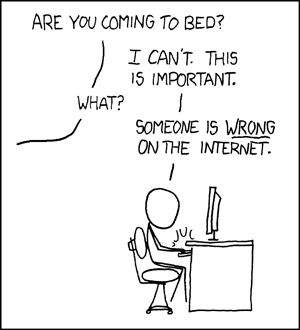
On a more personal level, accepting that our brains come loaded with biases can lead to better and more productive relationships and interactions. One of the main reasons I seek to learn about all the ways our intuitive reasoning fails us is so that I may be better equipped when I tell someone they are wrong on the internet. I readily admit that sometimes I just cannot help myself... (Wait, who is the "I" and "myself" in this sentence? Why should they be at odds and struggling for control? Just who is in charge here, anyway?)


http://xkcd.com/386/

So after seeing many references to Kahneman's work in other books, and seeing him in an episode of BBC Horizon called "How You Really Make Decisions", I finally picked up a copy of Thinking, Fast and Slow a few weeks ago at a used book store (hardcover in great condition). Better late than never, I guess.

And if this isn't a nearly perfect description of what it's like to be a "confident idiot" in a complex world, then I don't know what is:
A remarkable aspect of your mental life is that you are rarely stumped. True, you occasionally face a question such as 17 x 24 = ? to which no answer comes immediately to mind, but these dumbfounded moments are rare. The normal state of your mind that you have intuitive feelings and opinions about almost everything that comes your way. You like or dislike people long before you know much about them; you trust or distrust strangers without knowing why; you feel that an enterprise is bound to succeed without analyzing it. Whether you state them or not, you often have answers to questions that you do not completely understand, relying on evidence that you can neither explain or defend.